Step-by-Step Guide to Planning Your Modular Kitchen Layout
Planning a modular kitchen layout can feel overwhelming, but with the right approach, it becomes an exciting journey to create a functional and stylish heart of your home. A well-thought-out kitchen layout not only improves workflow but also maximizes space, making daily cooking enjoyable and efficient.
At New Looks Home, we help you design modular kitchens that fit your lifestyle perfectly. Here’s a step-by-step guide to plan your modular kitchen layout with ease and confidence.
Step 1: Assess Your Space and Needs
Begin by measuring your kitchen area accurately, noting the placement of doors, windows, plumbing, and electrical outlets. Consider how you use your kitchen daily.
-
Do you cook often or prefer quick meals?
-
Do you need space for multiple people to cook together?
-
What appliances and storage do you require?
Understanding your needs helps create a layout tailored just for you.
Step 2: Choose the Right Kitchen Layout Style
There are several common modular kitchen layouts, each suited to different spaces:
-
L-Shaped Kitchen: Ideal for medium to large spaces, offering efficient corner utilization.
-
U-Shaped Kitchen: Provides ample storage and countertop space, perfect for busy cooks.
-
Parallel Kitchen (Galley): Best for narrow spaces, with two opposite countertops.
-
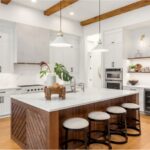
Island Kitchen: Adds a central workspace and can double as a dining or social area.
-
Straight Kitchen: Suitable for small or single-wall kitchens with limited space.
Choose the layout that fits your kitchen size and lifestyle.
Step 3: Plan the Work Triangle
The work triangle connects the three main kitchen zones: the sink, stove, and refrigerator. Keeping these elements close but not cramped improves efficiency.
-
The total distance between these points should ideally be between 12 to 26 feet.
-
Avoid placing obstacles between the triangle points to allow smooth movement.
Step 4: Optimize Storage Solutions
Modular kitchens offer versatile storage options. Plan for:
-
Base cabinets with pull-out drawers for pots and pans
-
Tall cabinets for pantry items and appliances
-
Overhead cabinets for dishes and glassware
-
Corner units with rotating shelves to maximize tricky spaces
Smart storage keeps your kitchen organized and clutter-free.
Step 5: Select Work Surfaces and Materials
Choose durable and easy-to-maintain materials for countertops and cabinets. Popular options include:
-
Quartz or granite countertops for durability and elegance
-
Laminate or acrylic finishes for cabinets, available in various colors and textures
-
Stainless steel for sinks and appliances for a modern look
Consider materials that complement your kitchen style and budget.
Step 6: Plan Lighting and Ventilation
Good lighting enhances functionality and ambiance. Include:
-
Ambient lighting for overall illumination
-
Task lighting under cabinets for work areas
-
Accent lighting to highlight design features
Ensure proper ventilation with exhaust fans or chimneys to keep the kitchen fresh.
Step 7: Finalize Appliances and Accessories Placement
Decide where to place appliances such as ovens, microwaves, and dishwashers for easy access. Modular kitchens allow integration of appliances within cabinetry for a seamless look.
Don’t forget essentials like electrical outlets, water connections, and pull-out trash bins.
Final Thoughts
A well-planned modular kitchen layout can transform your cooking experience and add value to your home. By following these steps and working with experts, you’ll create a kitchen that’s both beautiful and practical.
At New Looks Home, we specialize in custom modular kitchens designed to suit your space and lifestyle perfectly.
Ready to Design Your Dream Modular Kitchen?
📞 Contact New Looks Home today for a personalized consultation and take the first step toward a kitchen that truly works for you!